Tutorials, tips, and updates on building forms with Laravel and Filament.
Implement Laravel webhooks with an outbox, HMAC raw-body signatures, replay protection, retries, SSRF controls, receiver idempotency, and tests.
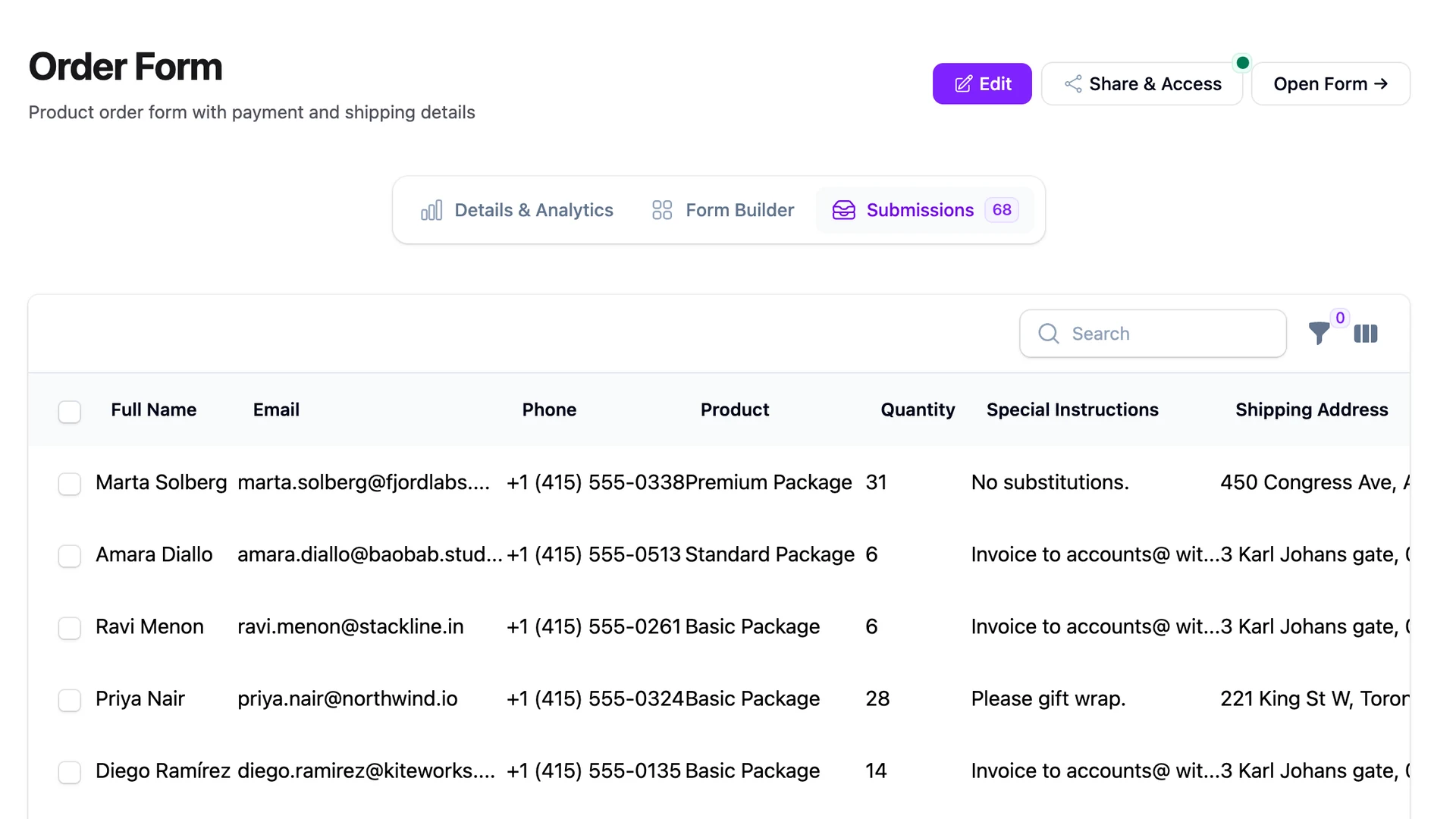
Stop duplicate Laravel submissions with idempotency keys, payload hashes, unique constraints, transactions, after-commit jobs, and concurrency tests.
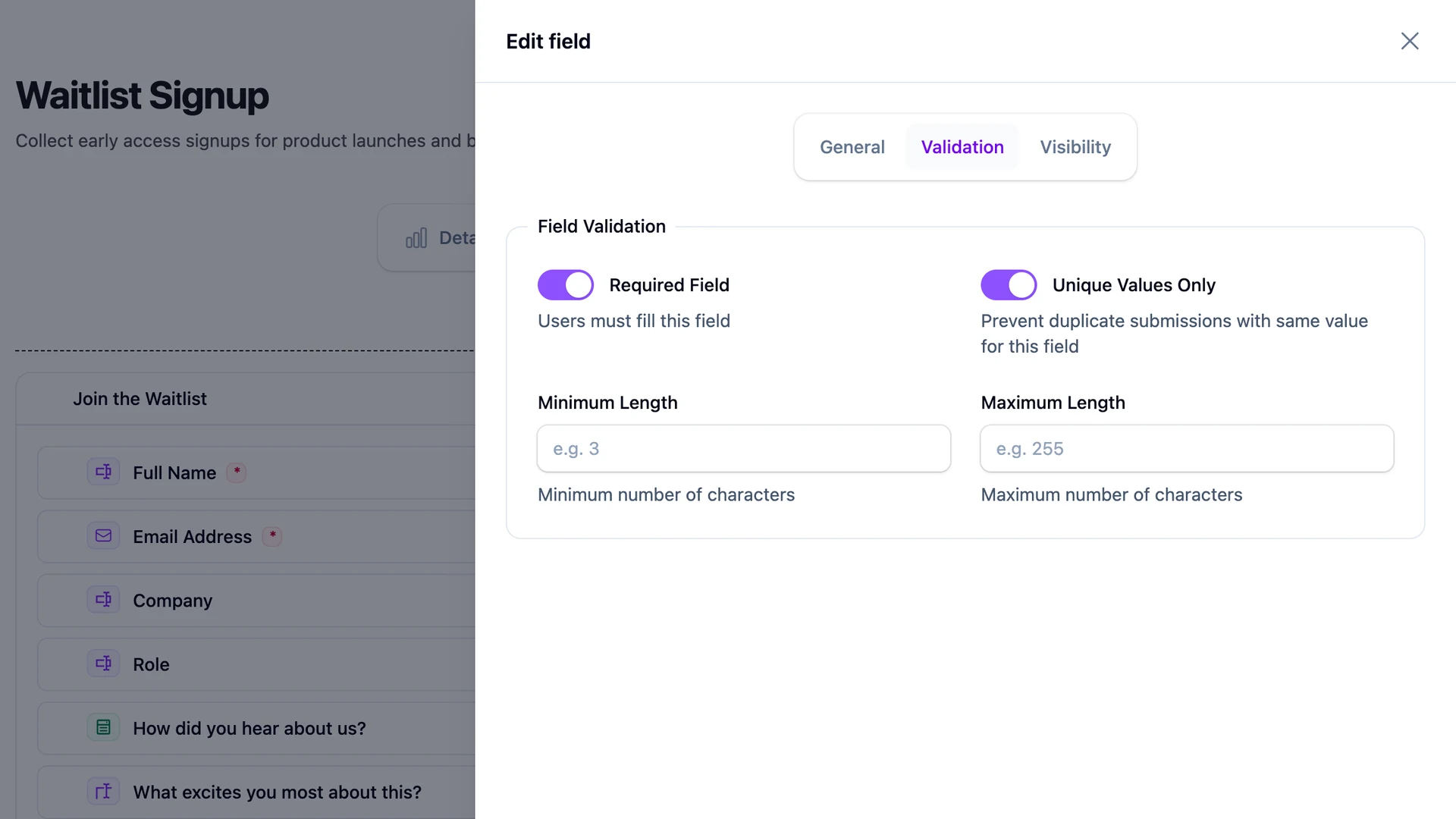
Threat-model Laravel public forms across validation, stored XSS, CSV export, file uploads, SSRF webhooks, authorization, availability, and tests.
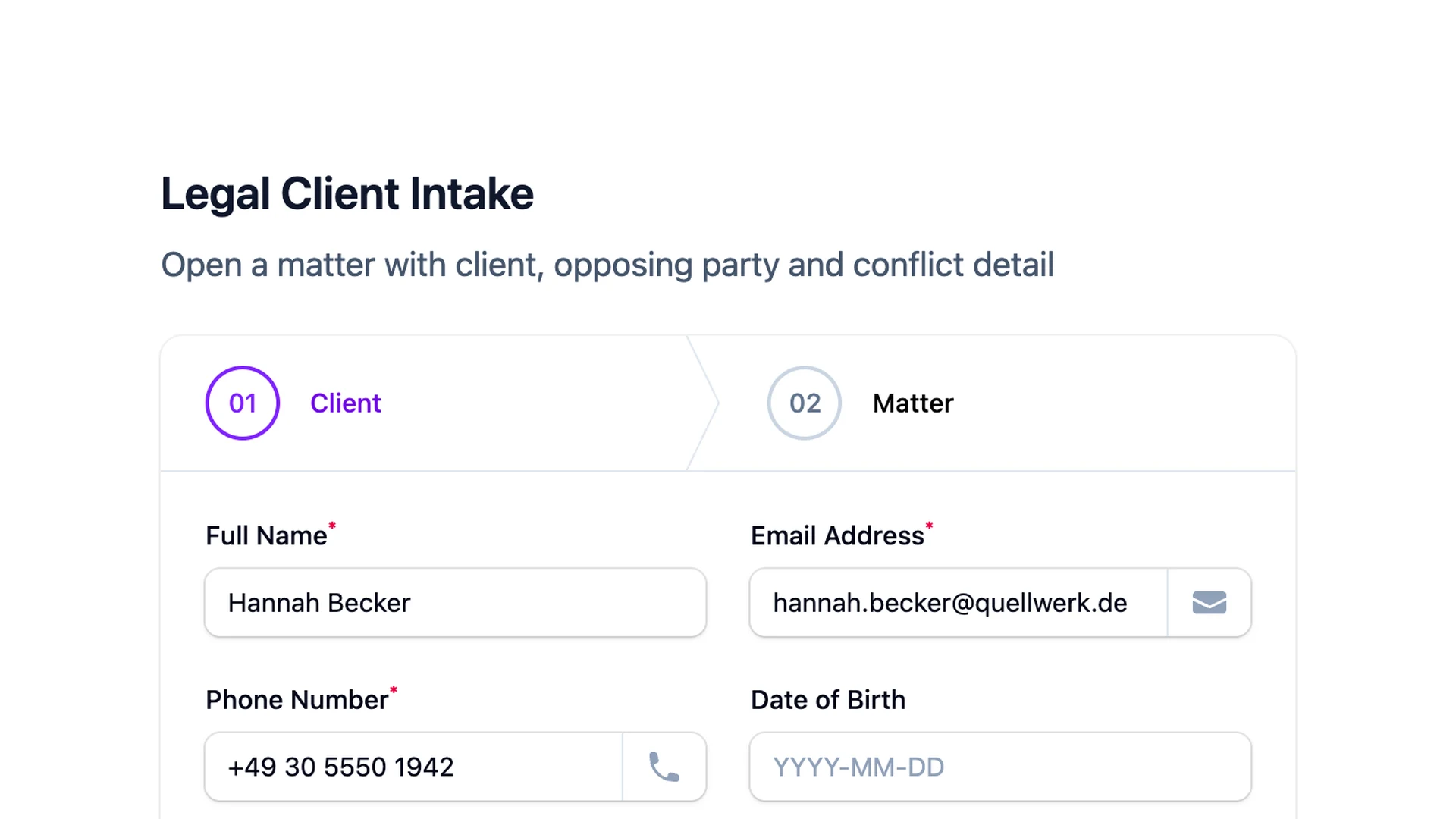
Upgrade Filament 4 public forms to Filament 5 and Livewire 4 with compatibility gates, focused tests, endpoint checks, uploads, and safe rollout.
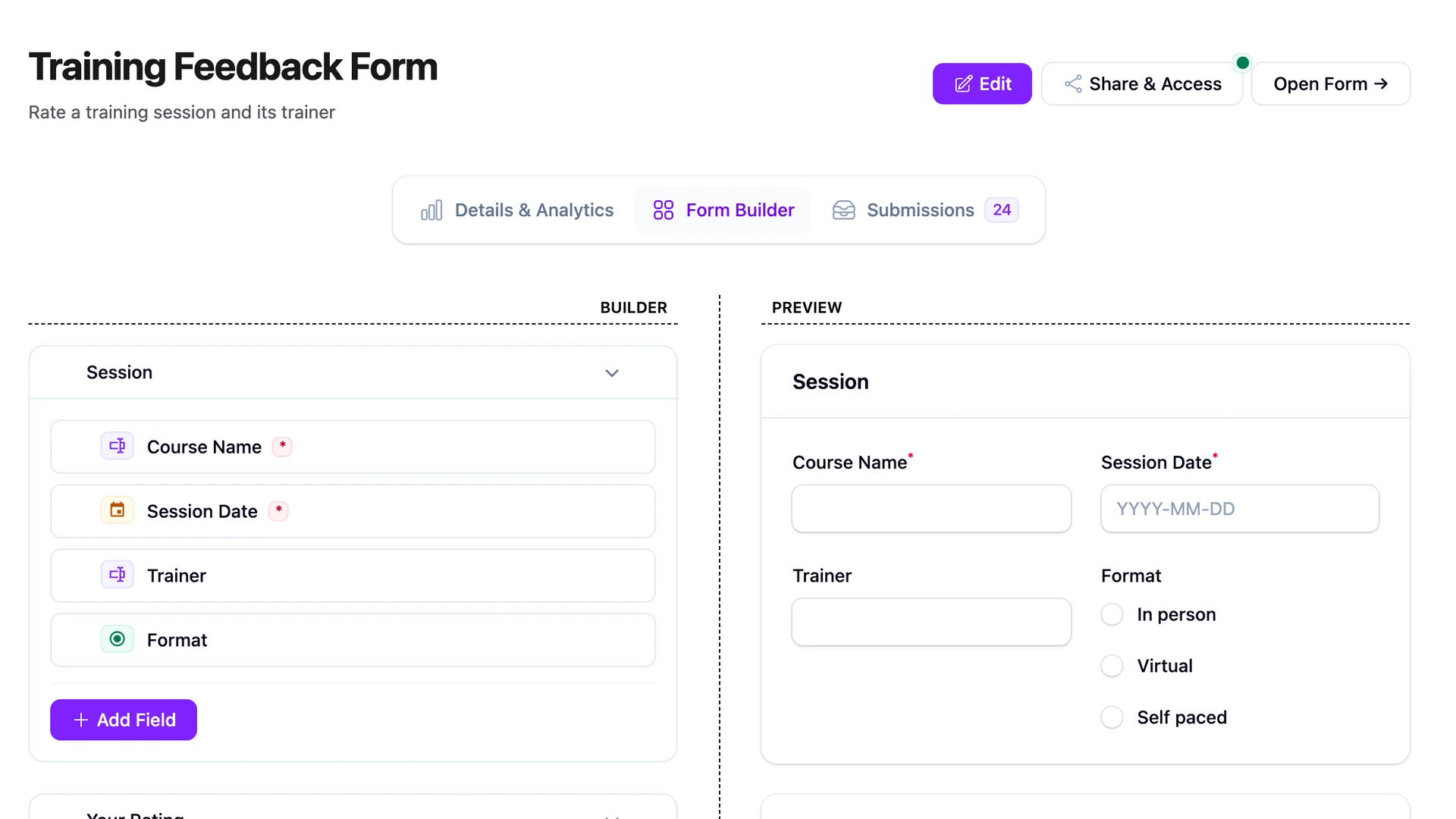
Secure multi-tenant Filament forms across public routes, Livewire, options, submissions, files, exports, caches, analytics, and queued jobs.
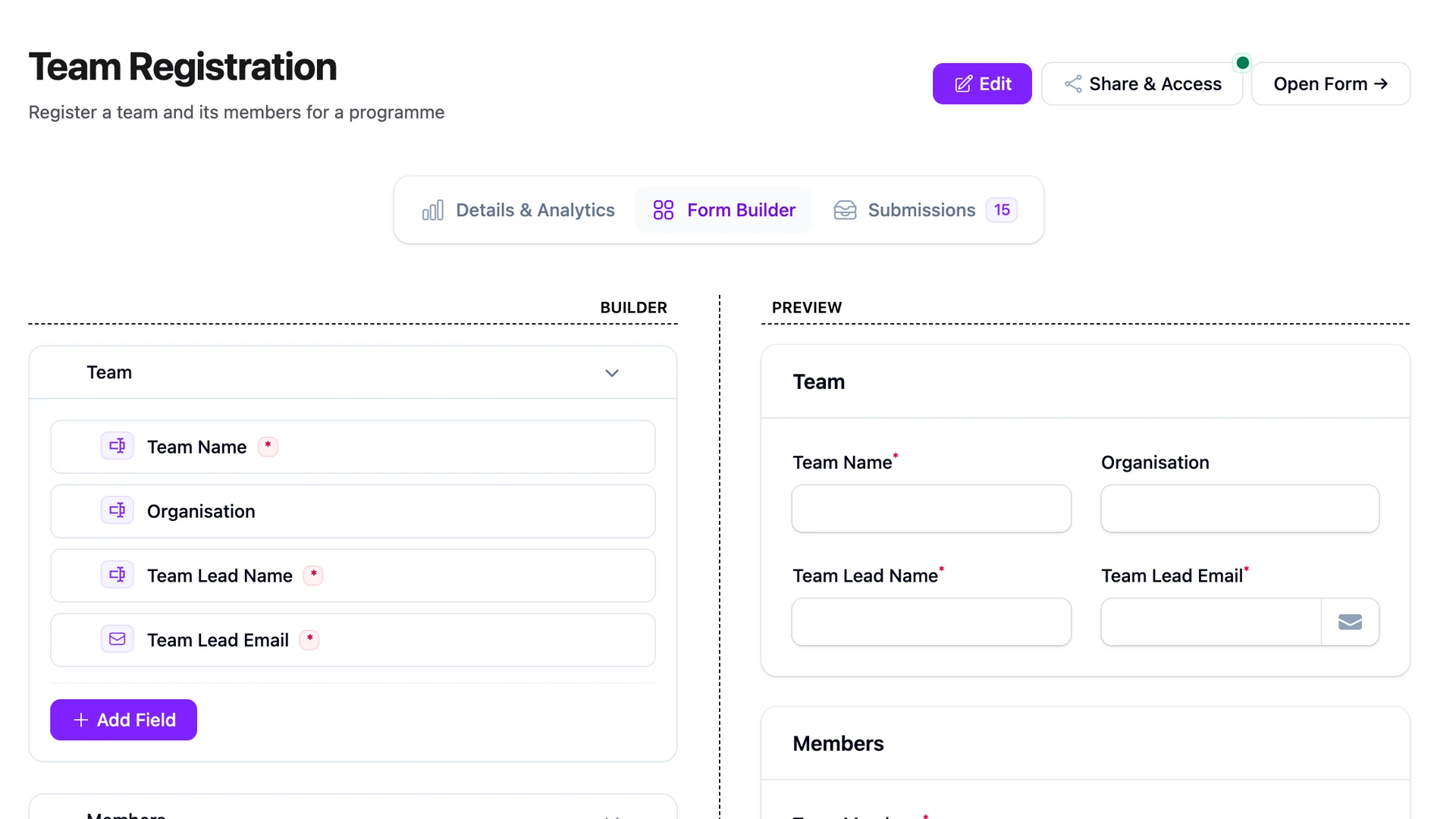
Embed Laravel forms in Blade, Livewire, Vue, React, or WordPress without breaking CSRF, CSP, cookies, resizing, or completion events.
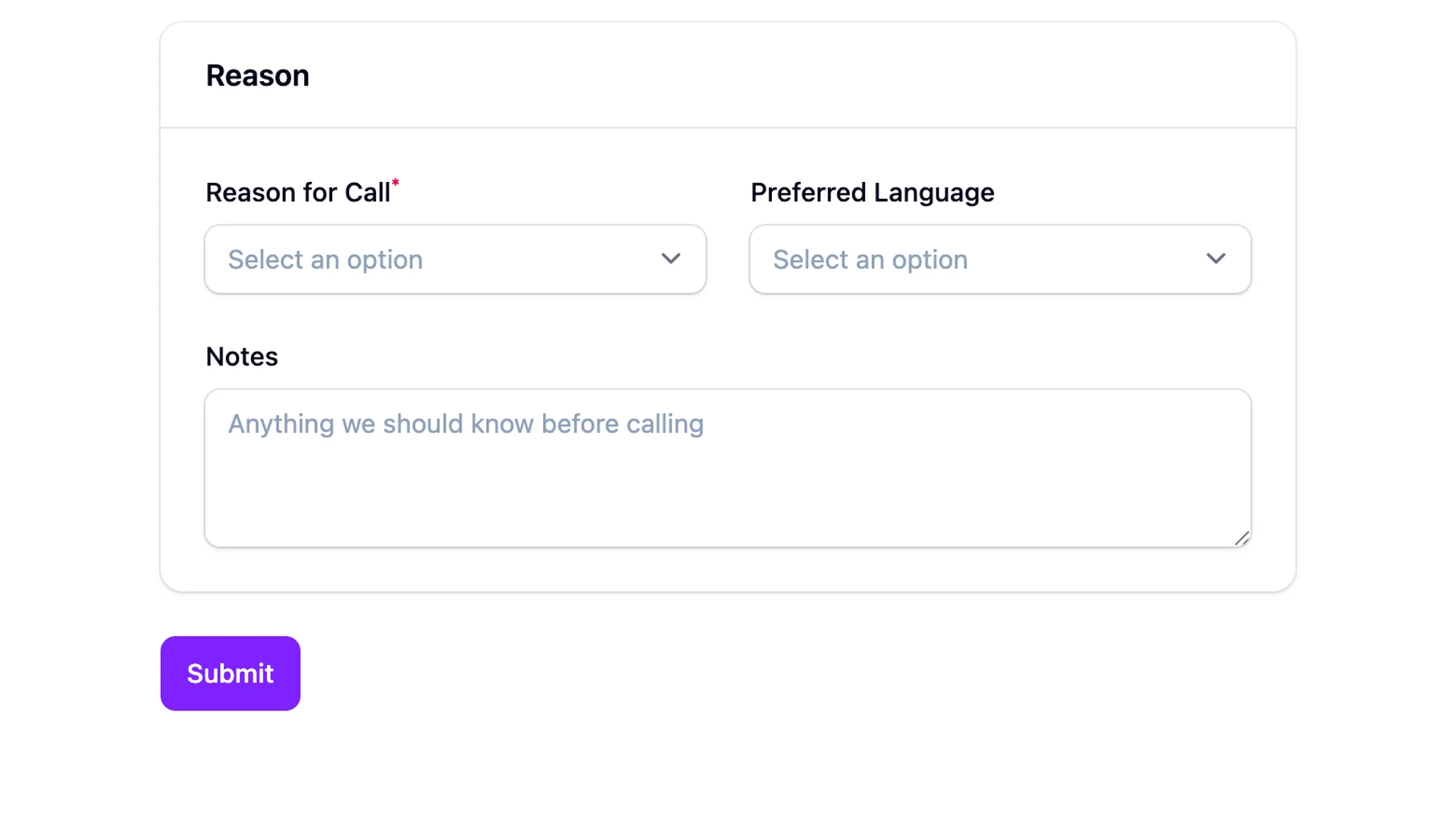
Implement secure Laravel form drafts with Livewire autosave, revocable resume links, optimistic locking, private files, expiry, and final validation.
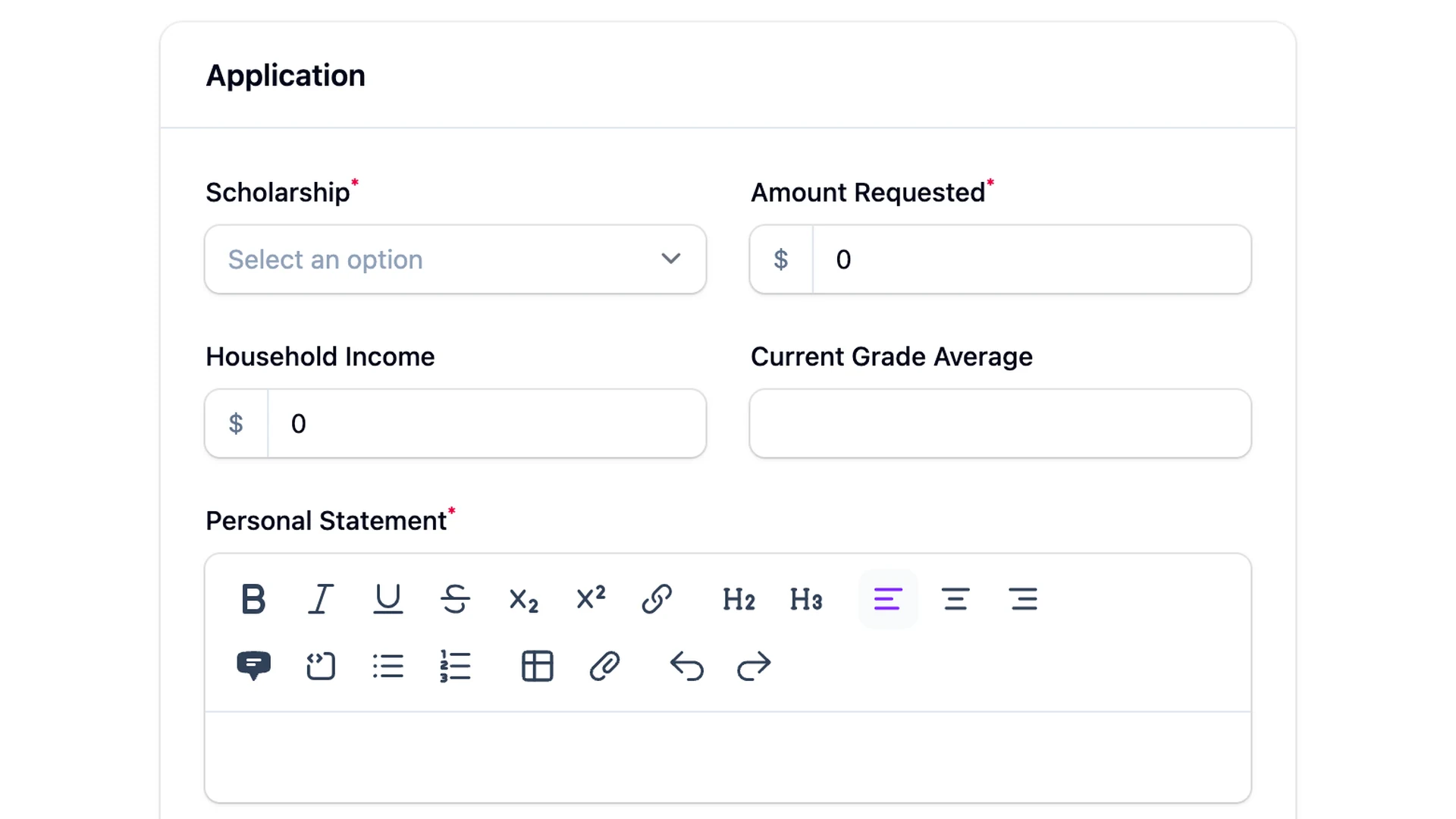
Build fast, tenant-safe Filament selects with Eloquent search, scoped validation, eager-loaded labels, and stable historical values.
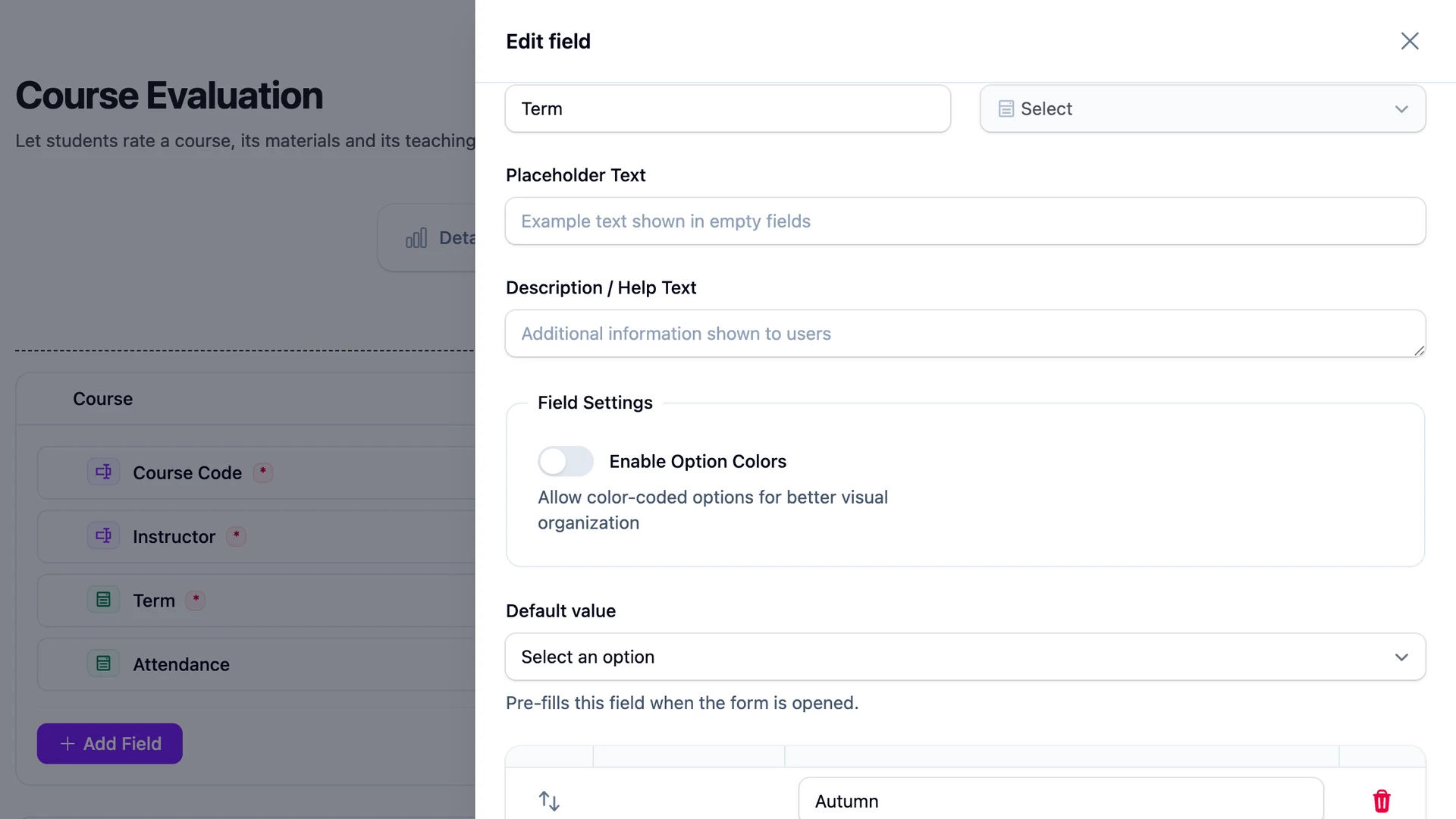
Design immutable Laravel form revisions so renamed fields, deleted options, drafts, and old submissions remain valid and readable.
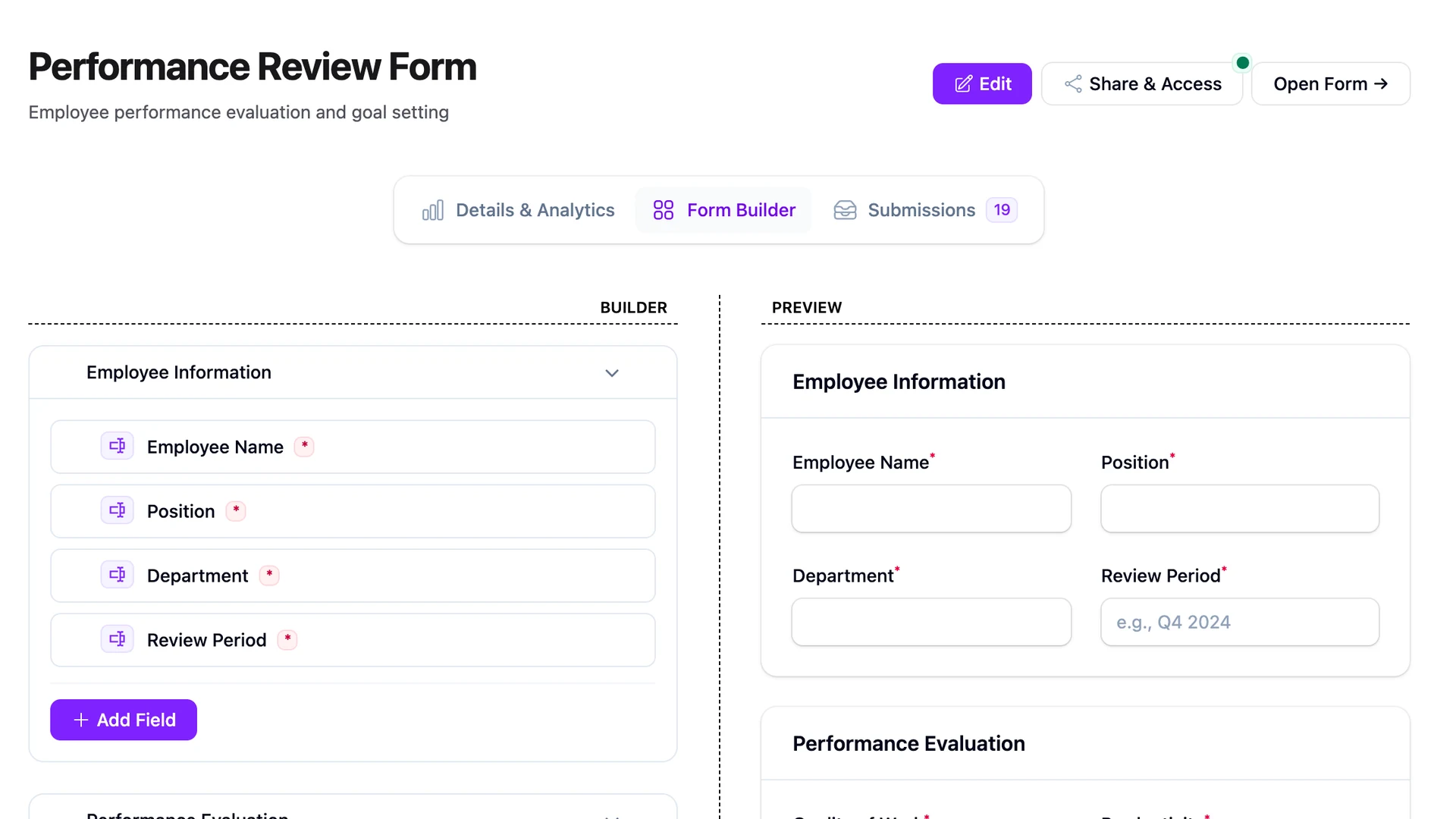
Compile database-stored Laravel form rules safely with allowlists, typed parameters, nested validation, tenant scopes, and adversarial tests.
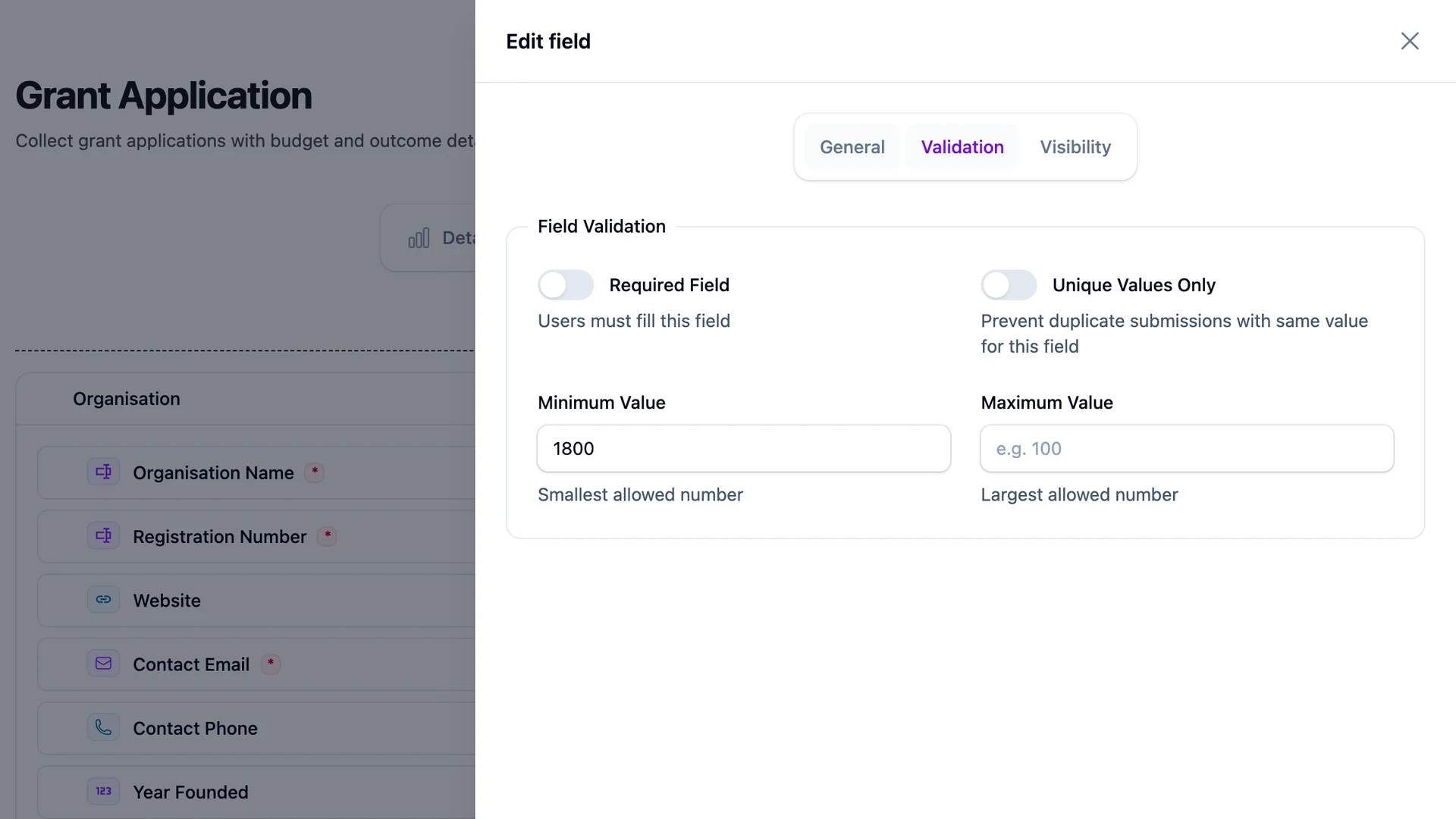
What I shipped in Q2/Q3, what I'm leaning toward for Q4, and the one thing I'm explicitly not going to build. Plus: where I'd love your input.
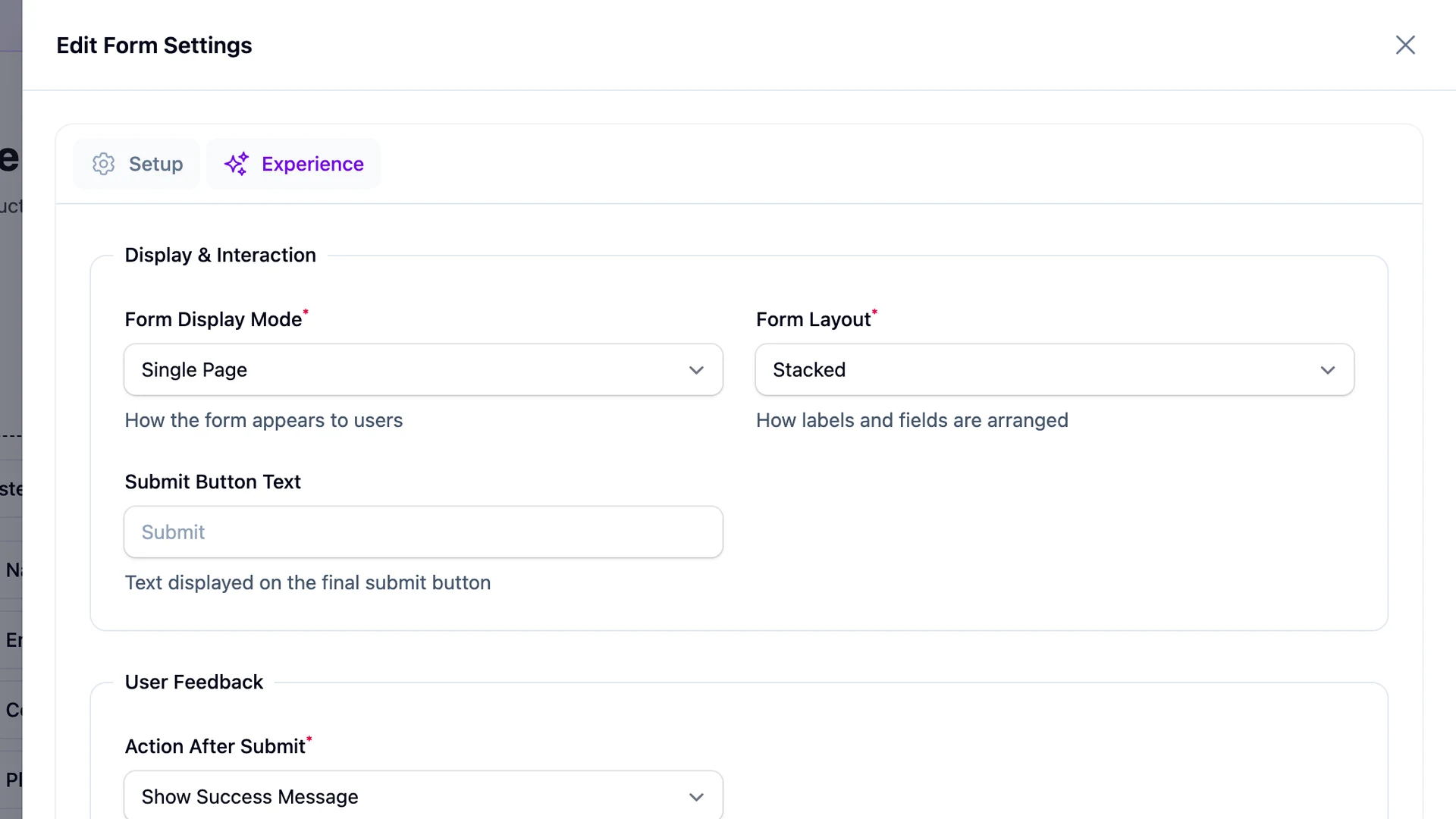
Typeform at $79/mo. Tally at $24. Jotform at $39. A year stacks up to $300–$1,500 plus the lock-in. Here's the cost math across three usage tiers — and where each one still wins.
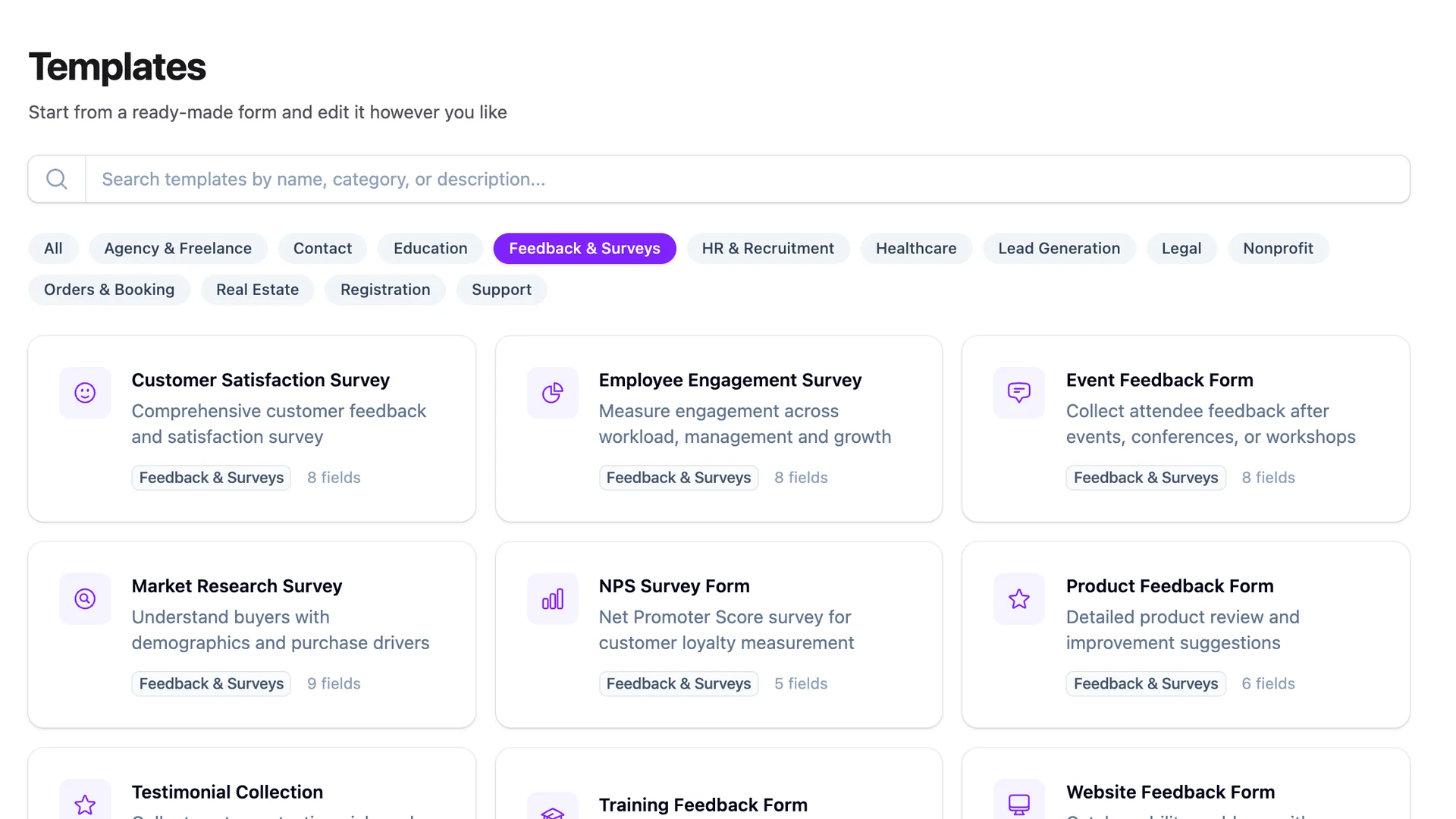
Slack doesn't fly at the enterprise. Teams is the stack. The webhook story changed in 2025 — here's the current working path for posting form submissions to a Teams channel from Laravel.
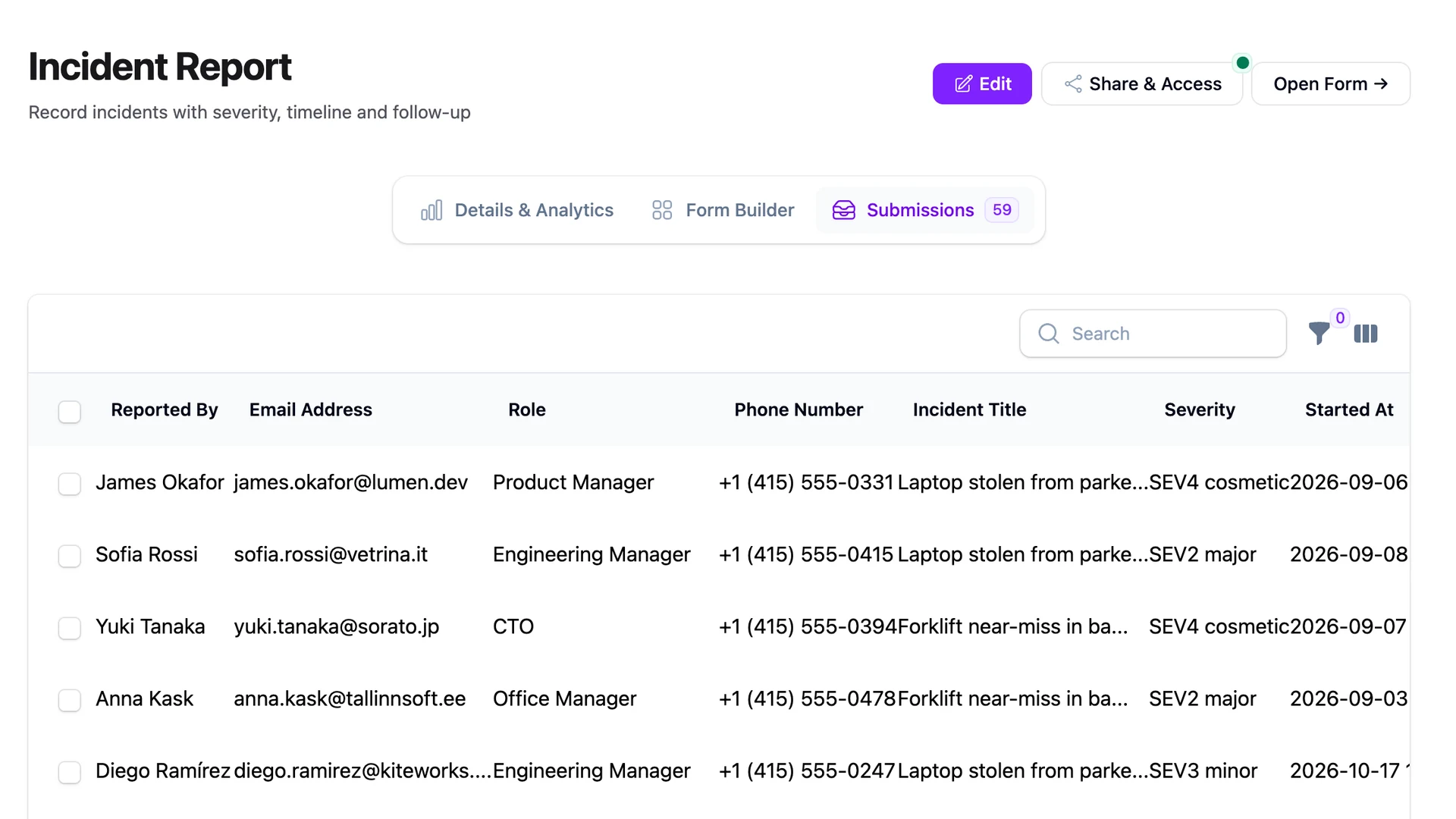
Helpdesk software runs $20–$30 per agent. For a 5-person IT team, that's four figures a year. A form and a status column cover most of it.
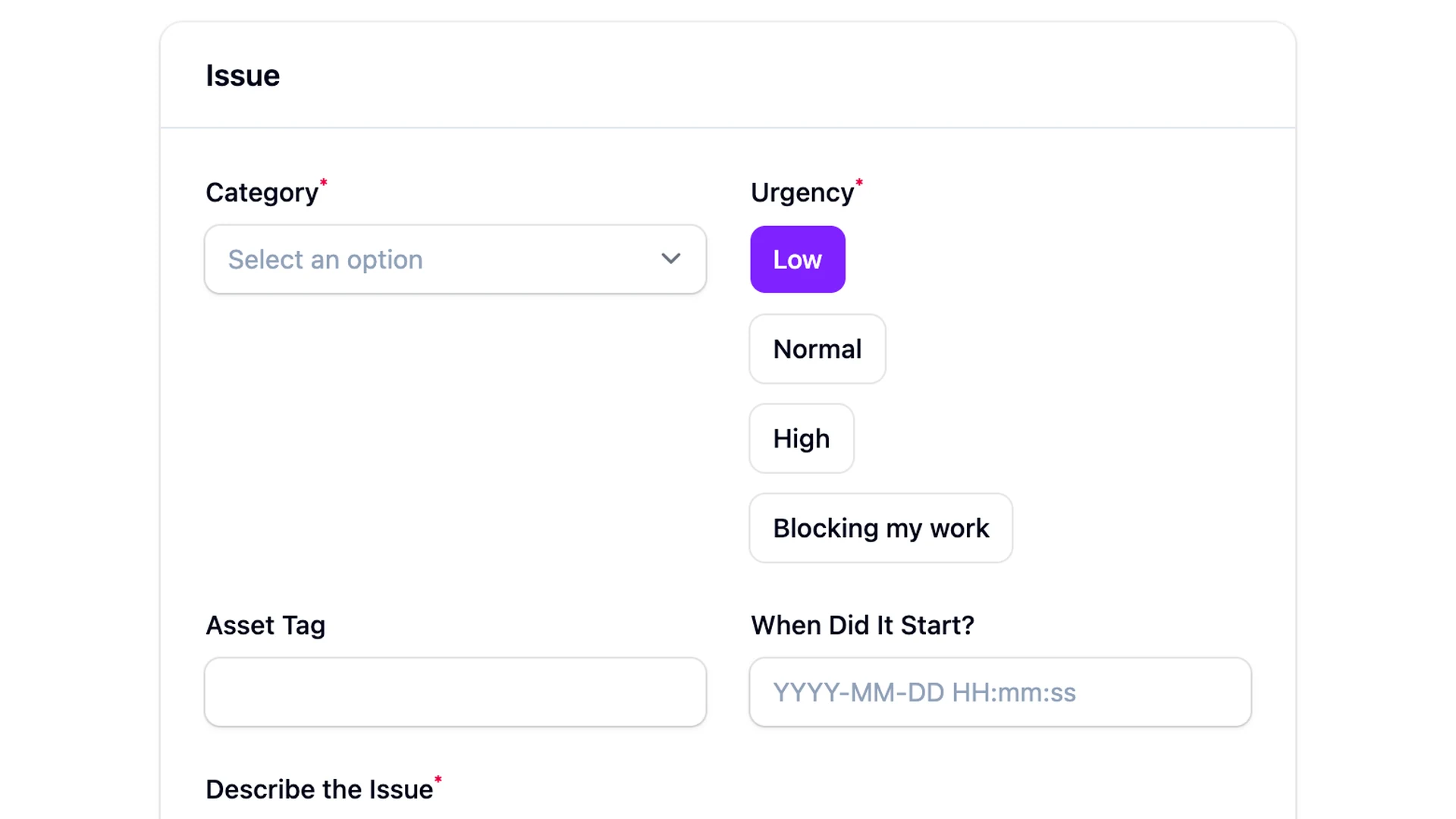
Form page loads in 2.8 seconds. INP is 380 ms. Submit lags. Conversion drops and you feel it but can't see why. Here's the five-number checklist that finds the leak.